Aufgenommen in den Studios des ICST
Recorded, mixed and mastered by Leando Gianini, Simon Könz, Florian Bogner, Carlos Hidalgo ; text by Germán Toro Pérez (dt./engl.)
ZHdK: Institute for Computer Music and Sound Technology (ICST)
Les Espaces Électroacoustiques III | Institute for Computer Music and Sound Technology [CD]
CHF 12.99
Masterpieces of electroacoustic music – presented in 5.1. surround and stereo
Thomas Kessler Flute Control (1986) Kaija Saariaho Nuits, adieux (1991) Horacio Vaggione Shifting Mirrors (2016) Hans Tutschku pressure-divided (2015) Georg Friedrich Haas Ein Schattenspiel (2004)
José Manuel López López Sottovoce (1995) Marco Stroppa … of Silence (2007) Bernhard Lang Differenz / Wiederholung 6a (2002) Peter Ablinger Instrumente und ElektroAkustisch Ortsbezogene Verdichtung («das Blaue vom Himmel») (1995-1997)
Künstlerische Forschung. Ein Handbuch | Jens Badura, Selma Dubach et al. (Hg.)
CHF 45.00
Die Debatte um »Künstlerische Forschung« hat einen hohen Grad an Differenzierung erreicht, sei es in ihrer allgemeinen, theorieorientierten Dimension, sei es auf der Ebene der Praxis des künstlerischen Forschens selbst. Alles deutet darauf hin, dass sich die Künstlerische Forschung an der Schwelle zu einer Institutionalisierung befindet. Ziel des Bandes ist es nicht nur, eine Bestandsaufnahme der unterschiedlichen Frage- und Themenstellungen zu erstellen, sondern auch jene Kontroversen abzubilden, aufgrund derer man den Prozess einer vorschnellen »Disziplinierung« der künstlerischen Forschung kritisch betrachten mag. Entlang einiger Leitfragen entwirft der Band eine Topographie des gesamten Feldes der Debatte um künstlerische Forschung.
344 Seiten, Diaphanes, 2015
ISBN 978-3-03734-880-2
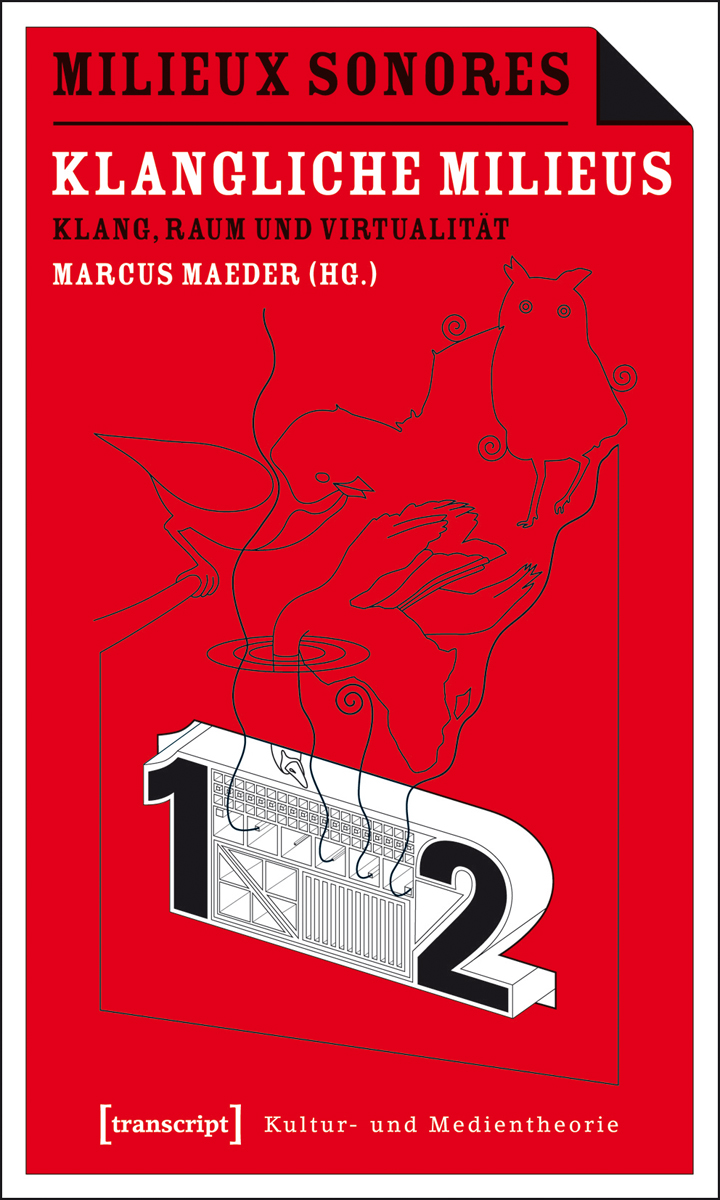
Milieux Sonores – Klangliche Milieus. Klang, Raum und Virtualität | Marcus Maeder [E-Book PDF]
Ob im Computerspiel, im Architekturentwurf oder auf dem GPS-Display im Auto: Unsere Lebenswelt wird vermehrt durch den virtuellen Raum ergänzt, erschlossen und entworfen. Medientechnologien haben die räumliche Gestaltung des Klangs und darüber hinaus die mediale Definition des Raums vorangetrieben. Dass damit auch die Gestaltung klanglicher Milieus – unserer Umgebung – durch Sound-Designer, Akustiker, Künstler und Musiker Einfluss auf unsere Wahrnehmung und unser Verständnis von Wirklichkeit hat, liegt auf der Hand. Perspektivenreich und informativ untersucht dieses Buch die perzeptiven, kulturellen, technischen und künstlerischen Bedingungen der akustischen Virtualität.
166 Seiten (PDF), transcript, 2010
ISBN 978-3-8394-1313-5
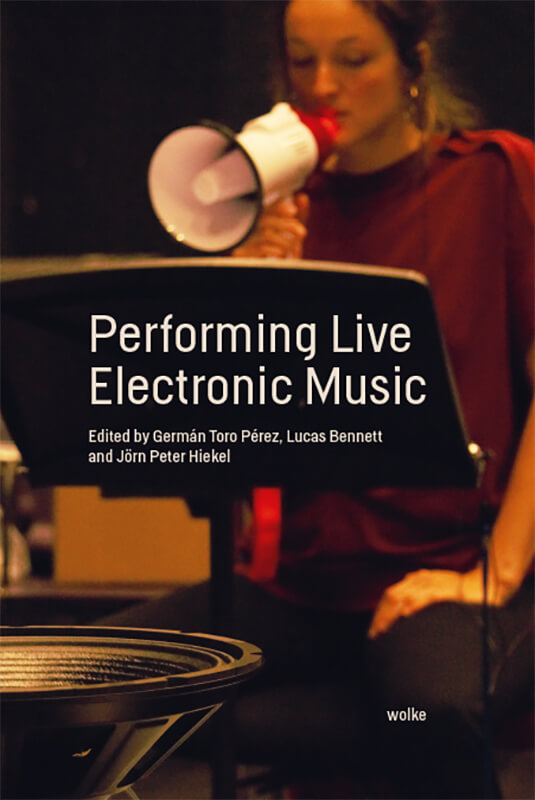
Performing Live Electronic Music | Germán Toro Perez, Lucas Bennett, Jörn Peter Hiekel (Hg.) [E-Book PDF]
Since digital technologies made real time sound processing broadly accessible in the 1980s, significant shifts in creative music practices and aesthetics, and further technological developments have profoundly transformed the performance practice of live electronic music. In this book philosophers, musicologists, composers and performers discuss the current state of that practice.

![Les Espaces Electroacoustiques | Institute for Computer Music and Sound Technology [CD]](https://publikationen.zhdk.ch/wp-content/uploads/2020/03/R-10155710-1492589415-7505.jpeg.jpg)
![Les Espaces Electroacoustiques | Institute for Computer Music and Sound Technology [CD] – Bild 2](https://publikationen.zhdk.ch/wp-content/uploads/2020/03/R-10155710-1492589420-7910.png.jpg)
![Les Espaces Electroacoustiques II | Institute for Computer Music and Sound Technology [CD]](https://publikationen.zhdk.ch/wp-content/uploads/2020/03/9120031341628-324x486.jpg)
![Les Espaces Électroacoustiques III | Institute for Computer Music and Sound Technology [CD]](https://publikationen.zhdk.ch/wp-content/uploads/2024/02/202312_EspacesElectroacoustiques-324x486.jpg)
![Milieux Sonores - Klangliche Milieus. Klang, Raum und Virtualität | Marcus Maeder [E-Book PDF]](https://publikationen.zhdk.ch/wp-content/uploads/2019/04/9783837613131CUlpEuf1VpV47-324x486.jpg)
![Performing Live Electronic Music | Germán Toro Perez, Lucas Bennett, Jörn Peter Hiekel (Hg.) [E-Book PDF]](https://publikationen.zhdk.ch/wp-content/uploads/2025/03/202503_PerformingLive_Bennett-324x486.jpg)
![Les Espaces Electroacoustiques | Institute for Computer Music and Sound Technology [CD]](https://publikationen.zhdk.ch/wp-content/uploads/2020/03/R-10155710-1492589415-7505.jpeg-324x486.jpg)