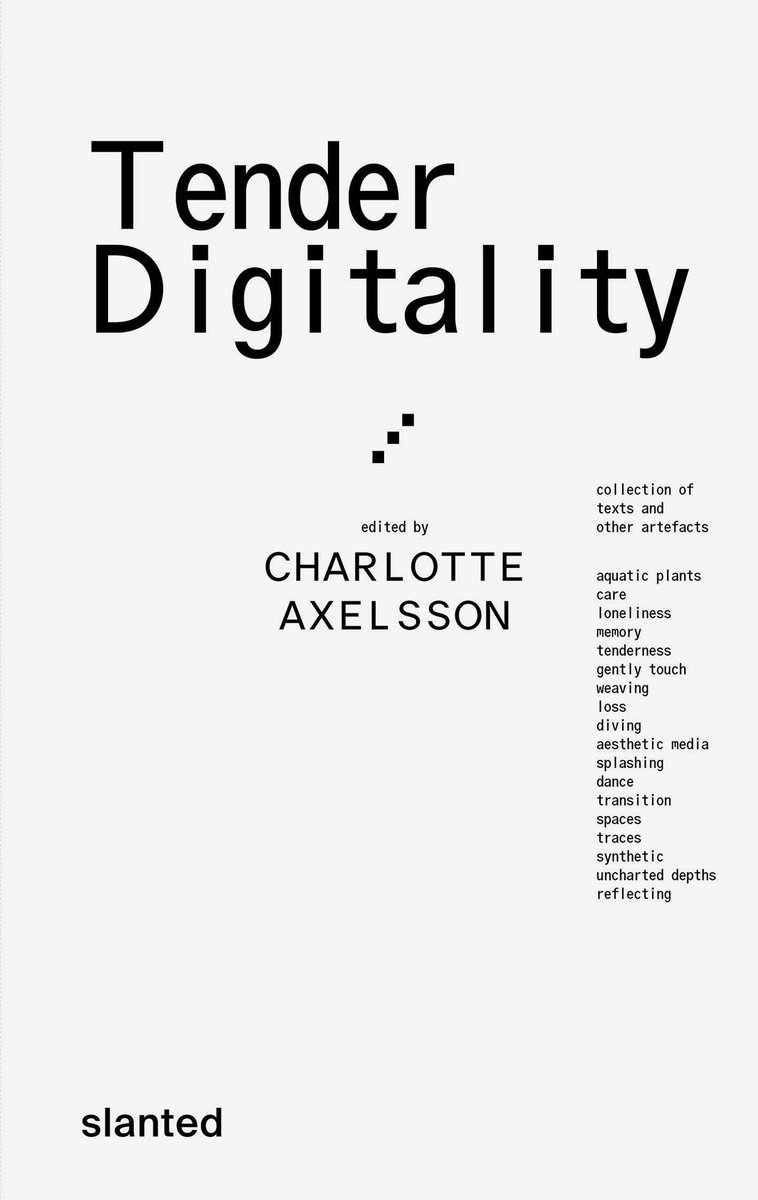
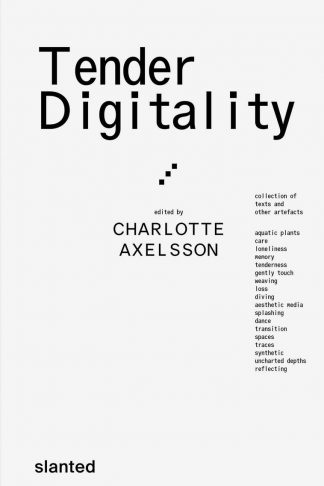
«Tender Digitality» beschreibt ein ästhetisch orientiertes Konzept, das ein binäres System in Schwingung versetzt und Menschen als Human Digitalus darstellt. Dabei reagiert es auf das Bedürfnis, Sinnlichkeit, Wahrnehmung, Intuition und Wohlbefinden in digitalen Umgebungen zu erleben, diese Erfahrung greifbar zu machen und dafür eine Sprache zu entwickeln.»Tender Digitality» operiert im Raum zwischen analog und digital, sozialen und technischen Phänomenen, welches es in sich ständig verändernde, niemals fixierte Muster einwebt.
Mit dieser Publikation sollen Perspektiven und Diskussionen in verschiedenen Formen wie Essays, Poesie, Bildern und Grafiken beleuchtet und debattiert werden.
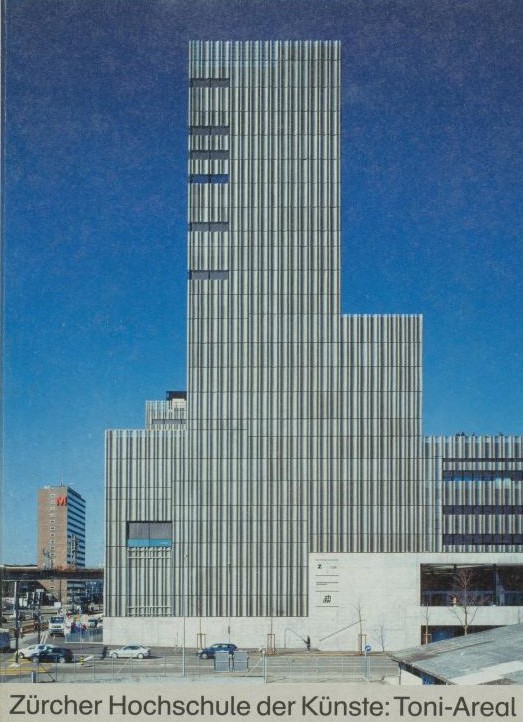
Aus der einst modernsten Grossmolkerei Europas ist eine Kunsthochschule geworden: Auf dem Toni-Areal in Zürich-West sind seit Herbst 2014 die Studierenden und Lehrenden der Zürcher Hochschule der Künste ZHdK zu Hause. Das Zürcher Architekturbüro EM2N hat die kolossale Gebäudestruktur beim Umbau zur Kunsthochschule bewahrt und die ehemalige «Joghurtfabrik» zu einer Stadt im Haus umgewandelt. Das Raumprogramm ermöglicht eine zeitgemässe Lern- und Lehrumgebung, die sich – im Sinne der Wissensarchitektur – zum urbanen Umfeld öffnet. Ateliers, Büros, Konzert- und Hörsäle, Ausstellungsräume, Kino, Museum, Musikklub, Gastronomie und 100 Mietwohnungen liegen hier Tür an Tür. Das Buch dokumentiert in Bild und Text die Wandlung des Toni-Areals und das heutige Mit- und Nebeneinander unterschiedlicher Mentalitäten und Arbeitsweisen.
288 Seiten, Scheidegger & Spiess, 2016
ISBN 978-3-85881-494-4
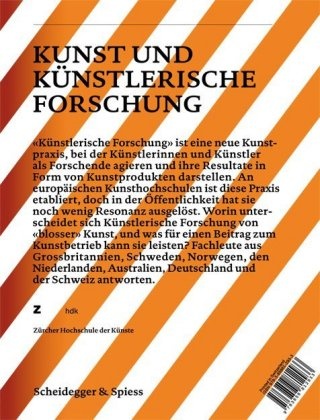
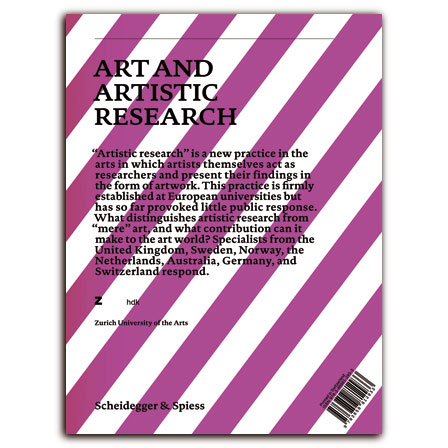
Kunst und künstlerische Forschung – Art and artistic research | Zürcher Jahrbuch der Künste
CHF 49.00
‚Künstlerische Forschung‘ bezeichnet eine spezifische Kunstpraxis, bei der die Künstlerinnen und Künstler selbst als Forschende agieren und ihre Resultate in Form von Kunstprodukten darstellen. Nachdem diese Praxis in den 1990er-Jahren besonders im Bereich der Visual Arts zu einem wichtigen Diskussionsfeld der internationalen Kunstausbildung wurde, hat sie sich seit neuestem auch in anderen Bereichen etabliert: in Design, Theater, Film, Musik und Tanz. Dabei ist eine zentrale Frage immer noch ungelöst: Was genau ist der Unterschied zwischen Kunst und künstlerischer Forschung? Nur wenn klar ist, worin sich die neue Forschungspraxis von Kunst einerseits und von traditioneller Forschung anderseits unterscheidet, kann sie sich als spezifisches Tätigkeitsfeld etablieren. Dieser Begriffsklärung spürt das vorliegende Buch nach. (dt./engl.)
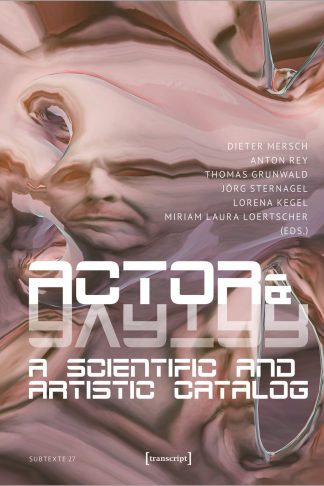
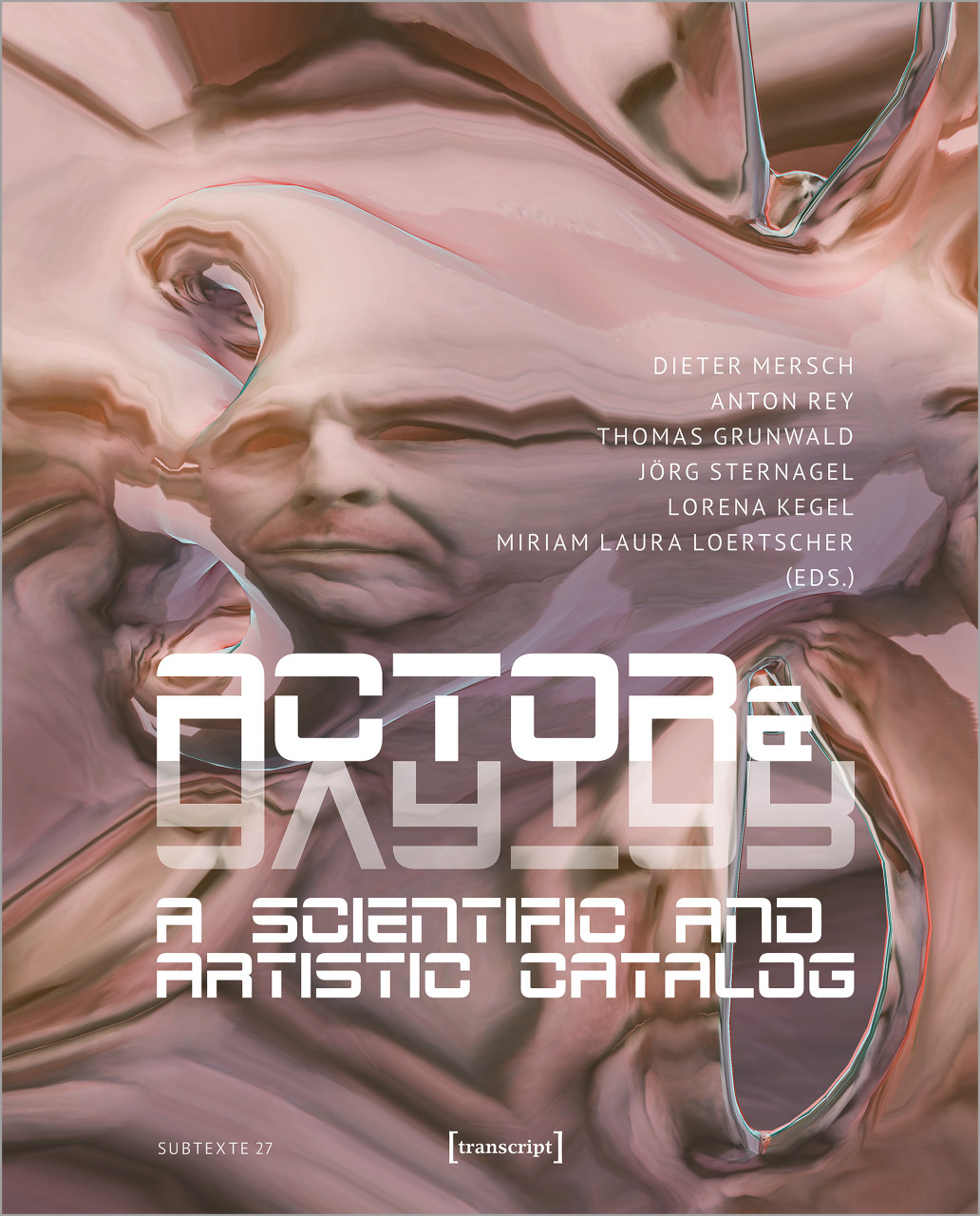
Actor & Avatar | Dieter Mersch, Anton Rey, Thomas Grunwald et al. (eds.)
CHF 48.00
A Scientific and Artistic Catalog
What kind of relationship do we have with artificial beings (avatars, puppets, robots, etc.)? What does it mean to mirror ourselves in them, to perform them or to play trial identity games with them? Actor & Avatar addresses these questions from artistic and scholarly angles.