Beschreibung
ZHdK: Institut für Designforschung (IDE)
CHF 41.50
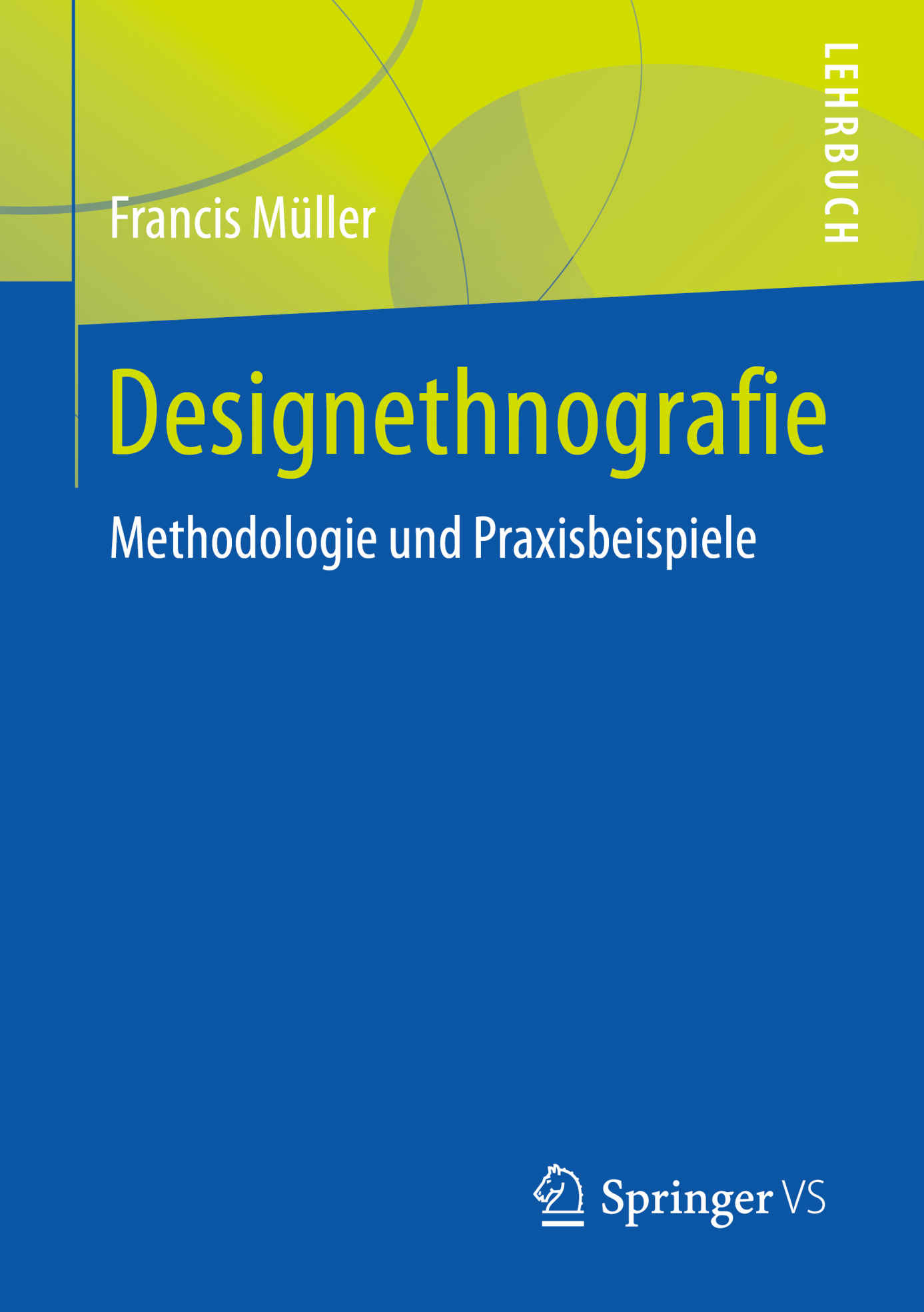
Das Lehrbuch entwickelt Methoden für die Designrecherche, denn Designen erfordert und erzeugt zugleich Wissen, was in der Praxis oftmals intuitiv passiert. Wird die Erzeugung dieses Wissens jedoch methodisch geleitet und reflektiert, dann stärkt dies die Designdisziplin und begünstigt ihre interdisziplinäre Vernetzung. Die Ethnografie ist hierzu eine geeignete Methode: Designethnografie bedeutet, dass eine Designerin in eine soziale Lebenswelt eintaucht, dort bestimmte Wirklichkeitsausschnitte beobachtet, analysiert und sie verändert – zum Beispiel mit Intervention und partizipativen Ansätzen. Werden solche Verfahren dokumentiert und theoretisch reflektiert, dann werden designspezifische Erkenntnismodi sichtbar.
332 Seiten, Springer, 2018
ISBN 978-3-658-21387-9
ZHdK: Institut für Designforschung (IDE)


This book describes methods for research on and research through design. It posits that ethnography is an appropriate method for design research because it constantly orients itself, like design projects, towards social realities.
93 pages, Springer, 2021
ISBN 978-3-0-3060395-3
![Designethnografie. Methodologie und Praxisbeispiele | Francis Müller [E-Book PDF]](https://publikationen.zhdk.ch/wp-content/uploads/2019/05/775132101-324x486.jpg)
Das Lehrbuch entwickelt Methoden für die Designrecherche, denn Designen erfordert und erzeugt zugleich Wissen, was in der Praxis oftmals intuitiv passiert. Wird die Erzeugung dieses Wissens jedoch methodisch geleitet und reflektiert, dann stärkt dies die Designdisziplin und begünstigt ihre interdisziplinäre Vernetzung. Die Ethnografie ist hierzu eine geeignete Methode: Designethnografie bedeutet, dass eine Designerin in eine soziale Lebenswelt eintaucht, dort bestimmte Wirklichkeitsausschnitte beobachtet, analysiert und sie verändert – zum Beispiel mit Intervention und partizipativen Ansätzen. Werden solche Verfahren dokumentiert und theoretisch reflektiert, dann werden designspezifische Erkenntnismodi sichtbar.
332 Seiten (PDF), Springer, 2018
ISBN 978-3-658-21388-6
![Etnografía en el diseño | Francis Müller [E-Book PUB]](https://publikationen.zhdk.ch/wp-content/uploads/2026/05/202605_Mueller_Etnografia-324x486.jpg)

Epistemología y metodología
Este libro parte de una constatación incómoda: quienes diseñan suelen saber poco sobre los mundos sociales a los que dirigen su trabajo. Esos puntos ciegos son, precisamente, el territorio que Francis Müller se propone explorar, argumentando que la etnografía es la herramienta fundamental para cerrar esa brecha, no como un método importado de las ciencias sociales, sino como una práctica propia de la disciplina, adaptada a sus tiempos, sus procesos iterativos y su vocación transformadora.
Pontificia Universidad Católica de Chile, 2006
This book describes methods for research on and research through design. It posits that ethnography is an appropriate method for design research because it constantly orients itself, like design projects, towards social realities.
93 pages, Springer, 2021
ISBN 978-3-030-60396-0

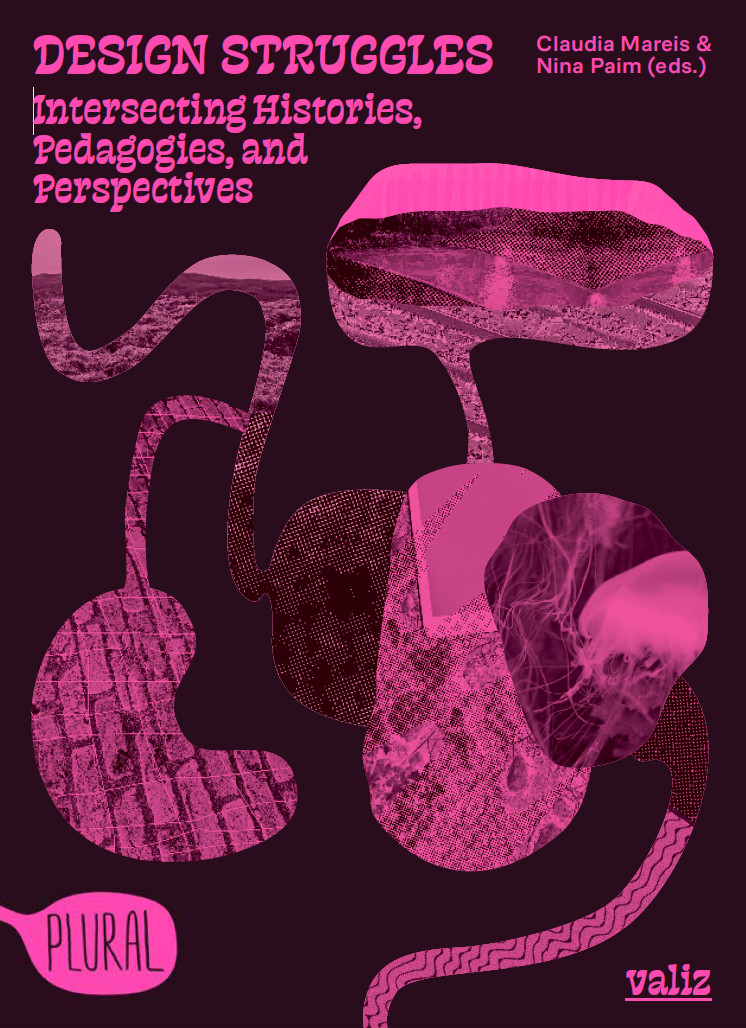
Design Struggles critically assesses the ways in which the design field is involved in creating, perpetuating, promoting and reinforcing injustice and inequality in social, political, economic, cultural and ecological systems. This book shows how this entanglement arose from Eurocentric and neoliberal thinking. The voices and practices represented here propose to question and disrupt the discipline of design from within, by problematizing the very notions of design. They aim to do so by generating new, anti-racist, post-capitalist, queer-feminist, environmentally conscious and community-based ideas on how to transform design. In this way, Design Struggles strives to forge sustainable, new practices within the design field that challenge the status quo and amplify underrepresented voices, both in the world of design, as well as beyond.
448 pages, valiz, 2021
ISBN: 978-94-92095-88-6
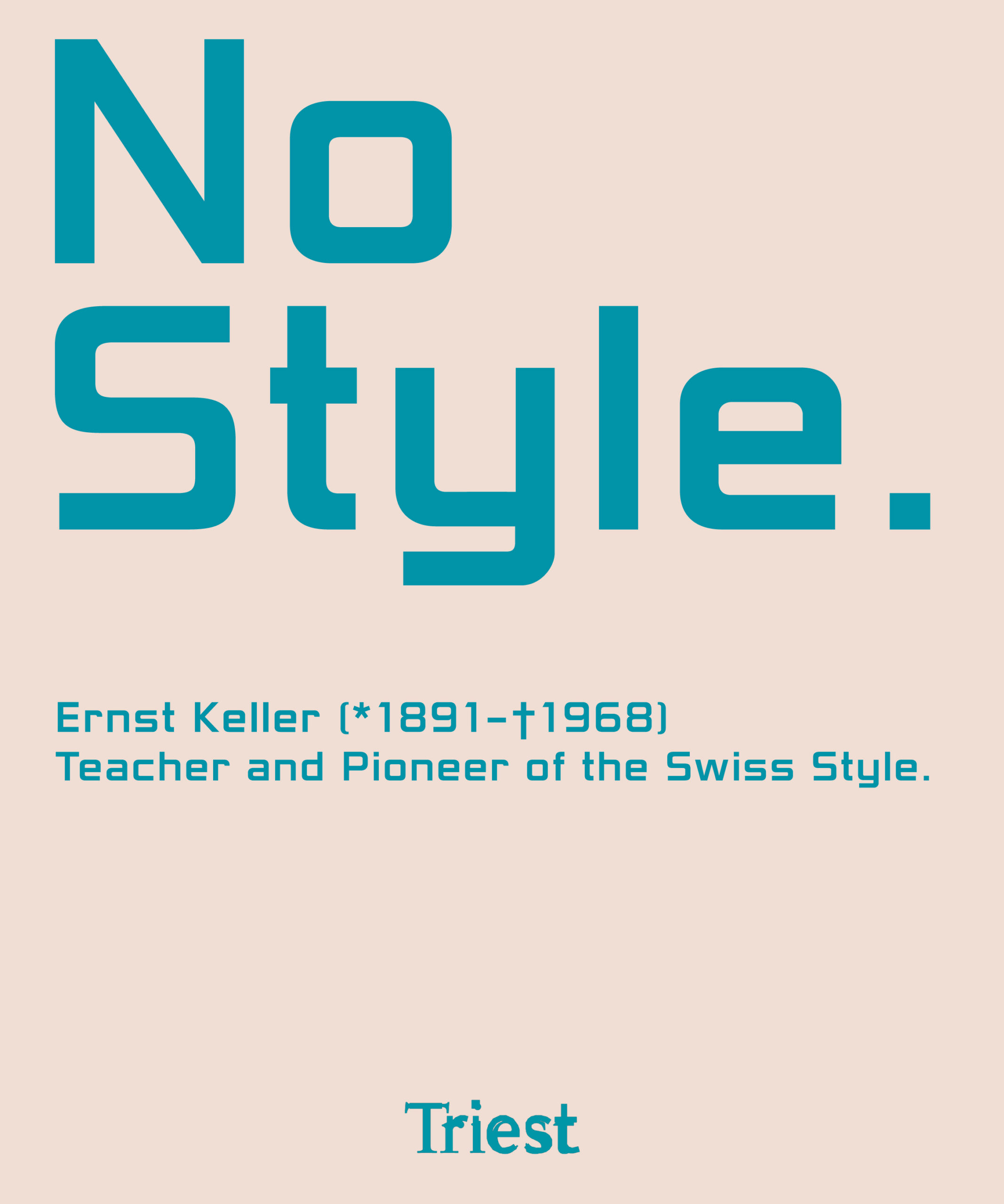
Ernst Keller (1891-1968). Teacher and pioneer of the Swiss Style
In various different places, particularly in the USA, when writing the history of graphic design, Ernst Keller is referred to as the father of Swiss Style, later International Typographic Style. This is down to the large number of Keller students, who later shaped this Swiss Style and made it famous. Keller’s achievement is shown purely using his oeuvre, primarily his poster designs and his work on lettering and graphic design in architecture.
Ernst Keller’s contribution to the development of innovative, non-academic didactic principles in design training plays a fundamental role. His teaching activity starting in 1918 can be defined as one of the first systematic training programmes for graphic design in the world.
253 pages, Triest Verlag, 2017
ISBN 978-3-0-3863023-4
Swiss Graphic Design Histories offers an entirely new redefinition of Switzerland’s graphic design landscape. Based on extensive research by scholars of design history and with a multiple and inclusive approach, it reaches beyond the usual canon and the well-known epicenters Basel and Zurich with the Germanophone fathers of what has become famous as the Swiss Style in the 1950s, 1960s and 1970s.
Edited by Davide Fornari, Robert Lzicar, Sarah Owens, Michael Renner, Arne Scheuermann and Peter J. Schneemann.
Named one of the Most Beautiful Swiss Books 2021.
814 pages in 4 volumes, Scheidegger & Spiess, 2021
ISBN: 978-3-85881-868-3