Künstlerische Forschung. Positionen und Perspektiven | Anton Rey, Stefan Schöbi (Hg.) [E-Book PDF]
Künstlerische Forschung ist derzeit der Ort ener heftigen Debatte: einerseits über die erkenntnistheoretischen Ziel, Verfahren und Instrumente dieser Forschung; zum anderen über die Autorität und Spezialisierung derjenigen, die zu diesem Bereich beitragen. SubTexte 03 dient als Orientierungshilfe für Forscher und Künstler und sammelt vier Positionen und Perspektiven der Forschung in, für und innerhalb der Kunst. Mit Beiträgen von Dirk Baecker, Henk Borgdorff, Sønke Gau, Alfred Nordmann, Katharina Schlieben.
Artistic research is currently the site of a fierce debate: on the one hand, on the epistemological objectives, procedures, and instruments of such research; on the other, on the authority and specialization of those contributing to the field. Intended to provide guidance for researchers and artists, subTexte 03 gathers four positions and perspectives on research into, for, and within art.
Editors: Anton Rey and Stefan Schöbi
Contributors: Dirk Baecker, Henk Borgdorff, Sønke Gau, Alfred Nordmann, Katharina Schlieben
ZHdK: Institute for the Performing Arts and Film (IPF)
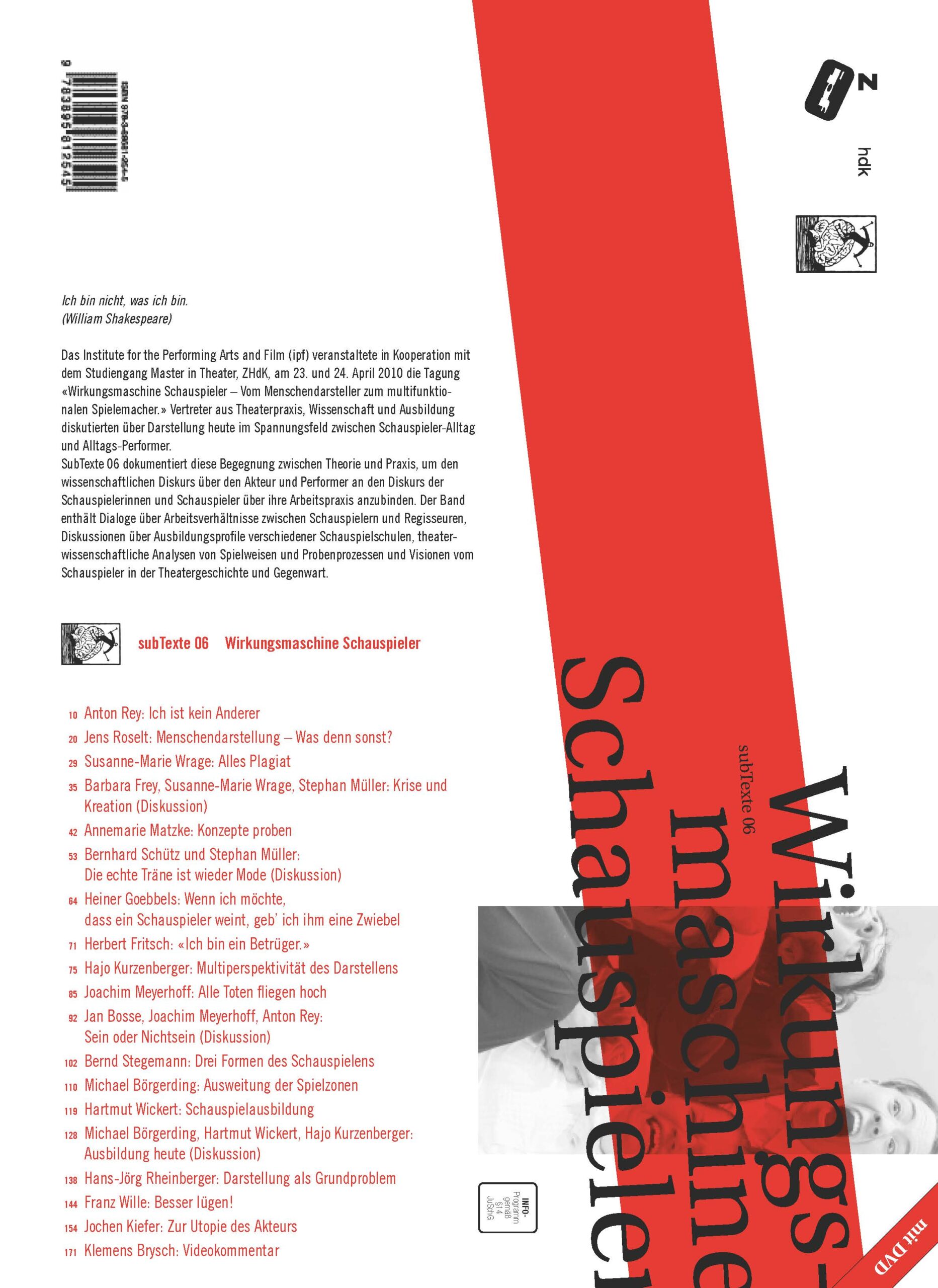
Wirkungsmaschine Schauspieler | Anton Rey, Hajo Kurzenberger, Stephan Müller (Hg.) [E-Book PDF]
Vom Menschendarsteller zum multifunktionalen Spielemacher
Was macht Schauspielen heute aus? Vertreter aus Theaterpraxis, Wissenschaft und Ausbildung diskutieren über Darstellung im Spannungsfeld zwischen Schauspieler-Alltag und Alltags-Performer, über Arbeitsverhältnisse zwischen Schauspielern und Regisseuren, Ausbildungsprofile verschiedener Schauspielschulen, theaterwissenschaftliche Analysen von Spielweisen und Probenprozessen und Visionen vom Schauspieler in der Theatergeschichte und Gegenwart.
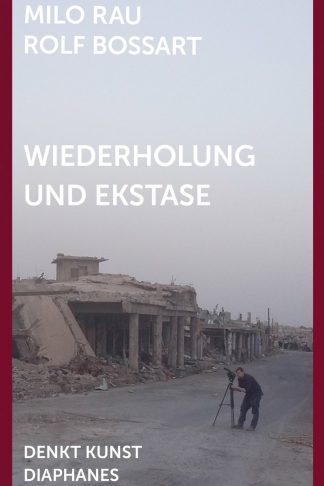
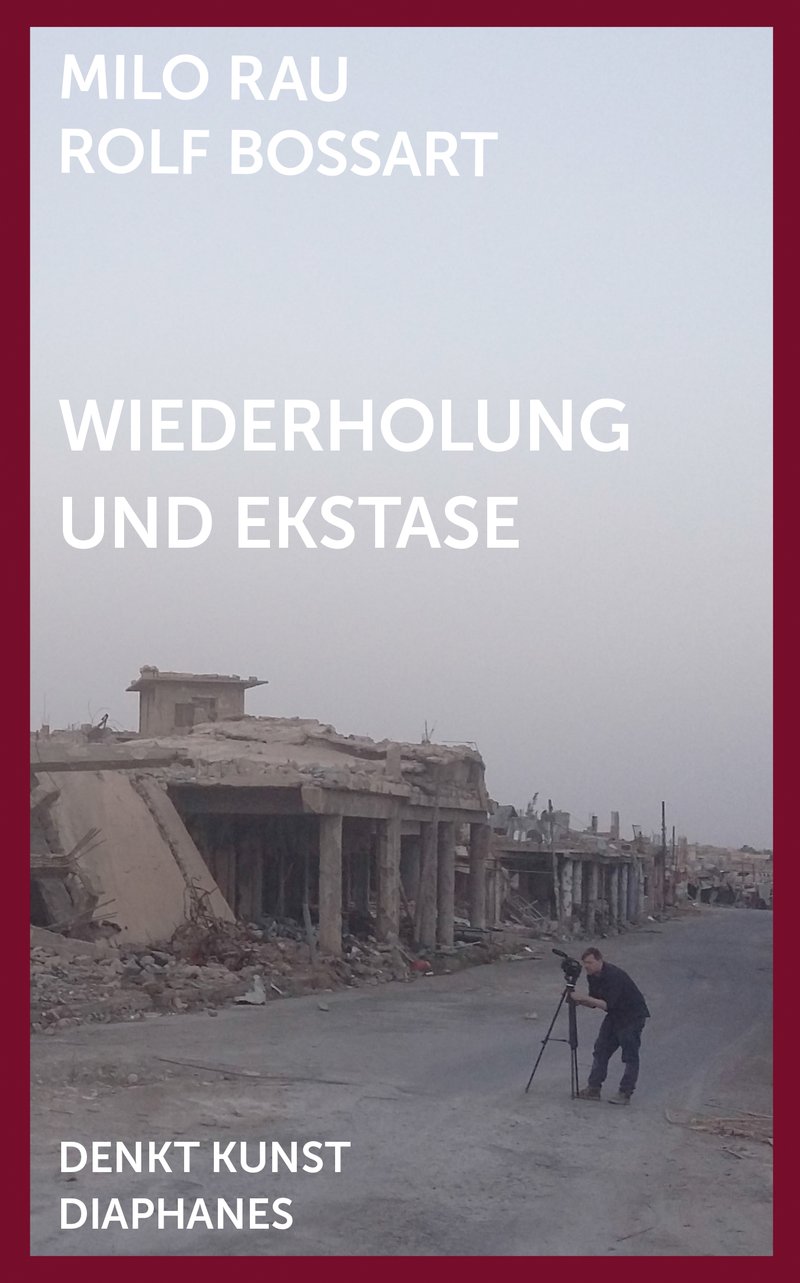
Wiederholung und Extase | Milo Rau, Rolf Bossart [E-Book PDF]
Der Band erörtert Begriffe, die die ästhetische Theorie und Praxis von Milo Raus International Institute of Political Murder IIPM beschreiben, reflektieren und in einen allgemeinen Kontext stellen. Historisch-kritische, repräsentationstheoretische und handlungstheoretische Aspekte künstlerischer Akte werden – ausgehend von konkreten Projekten, Arbeitsproblemen und philosophischen Erwägungen – programmatisch verhandelt. Die untereinander kommunizierenden Überlegungen stellen dabei bewegliche Denk-Figuren dar, die präzise Blicke auf die Methodik «realistischer» künstlerischer Arbeit mit historischer und politischer Analyse vereinen.
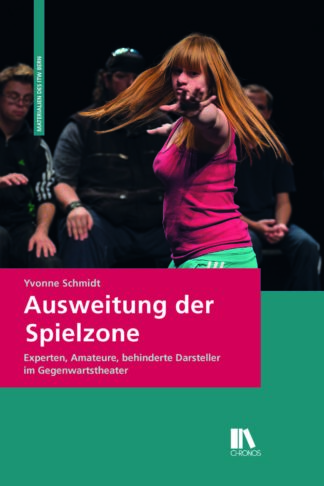
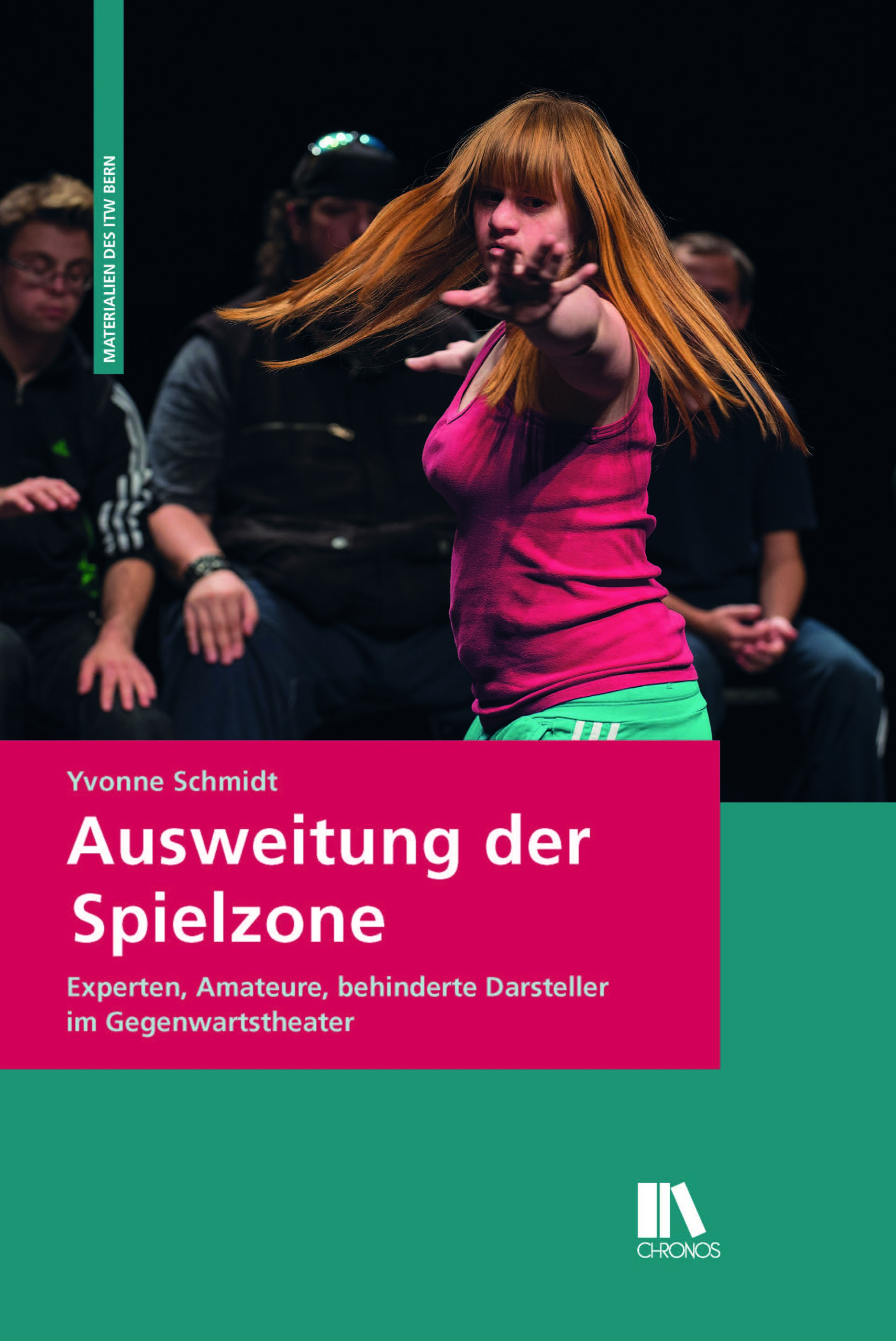
Experten, Amateure, behinderte Darsteller im Gegenwartstheater
Seit den 1990er Jahren treten vermehrt Darsteller auf den Bühnen des professionellen Theaters auf, die den Kriterien für Berufsschauspieler eigentlich nicht entsprechen. Unter welchen Prämissen tauchen diese Darsteller ohne Schauspielschuldiplom in der Theaterlandschaft auf? Der Bogen reicht vom Spiel mit Authentizität über die Teilhabe marginalisierter Gruppen bis hin zu den «Freaks» bei Christoph Schlingensief und den Darsteller des Theaters Hora, professionellen Darstellern mit einer geistigen Behinderung.
Das Buch zeichnet das heterogene Phänomen der Laien im Gegenwartstheater nach: von den Experten des Alltags (Rimini Protokoll) bis hin zu Bürgerbühnen, die das Theater mit Laien institutionalisierten. In den Fokus rücken auch andere Formen der Theaterpraxis, die in einem spannungsreichen Kontrast zum «Expertentheater» stehen: das lebendige Amateurtheater der Schweiz und Theater von und mit behinderten Darstellern. Während im Freilichttheater oft Profis mit Laien zusammenarbeiten und sich Mischformen von professionellem und Amateurtheater herausbilden, stehen im Behindertentheater nicht nur ästhetische Normen, sondern auch dem Schauspieldiskurs eingeschriebene Körper- und Menschenbilder auf dem Prüfstand.
Die ebenso wissenschaftlich präzise wie praxisnahe Studie beleuchtet nichtprofessionelle Darsteller als Schnittstelle einer wechselseitigen Annäherung von Alltagstheater und Theaterkunst in Bezug auf gegenseitige Durchdringung, aber auch im Hinblick auf die Eigenheiten verschiedener Theaterpraxen.
![Künstlerische Forschung. Positionen und Perspektiven | Anton Rey, Stefan Schöbi (Hg.) [E-Book PDF]](https://publikationen.zhdk.ch/wp-content/uploads/2020/03/subTexte_03_Künstlerische_Forschung.jpg)
![Wirkungsmaschine Schauspieler | Anton Rey, Hajo Kurzenberger, Stephan Müller (Hg.) [E-Book PDF]](https://publikationen.zhdk.ch/wp-content/uploads/2020/03/subTexte_06_Wirkungsmaschine_Schauspieler-324x486.jpg)
![Künstlerische Forschung. Positionen und Perspektiven | Anton Rey, Stefan Schöbi (Hg.) [E-Book PDF]](https://publikationen.zhdk.ch/wp-content/uploads/2020/03/subTexte_03_Künstlerische_Forschung-324x486.jpg)