Attention Artaud | Anton Rey, Stefan Schöbi, Benno Wirz (Hg.)
CHF 13.50
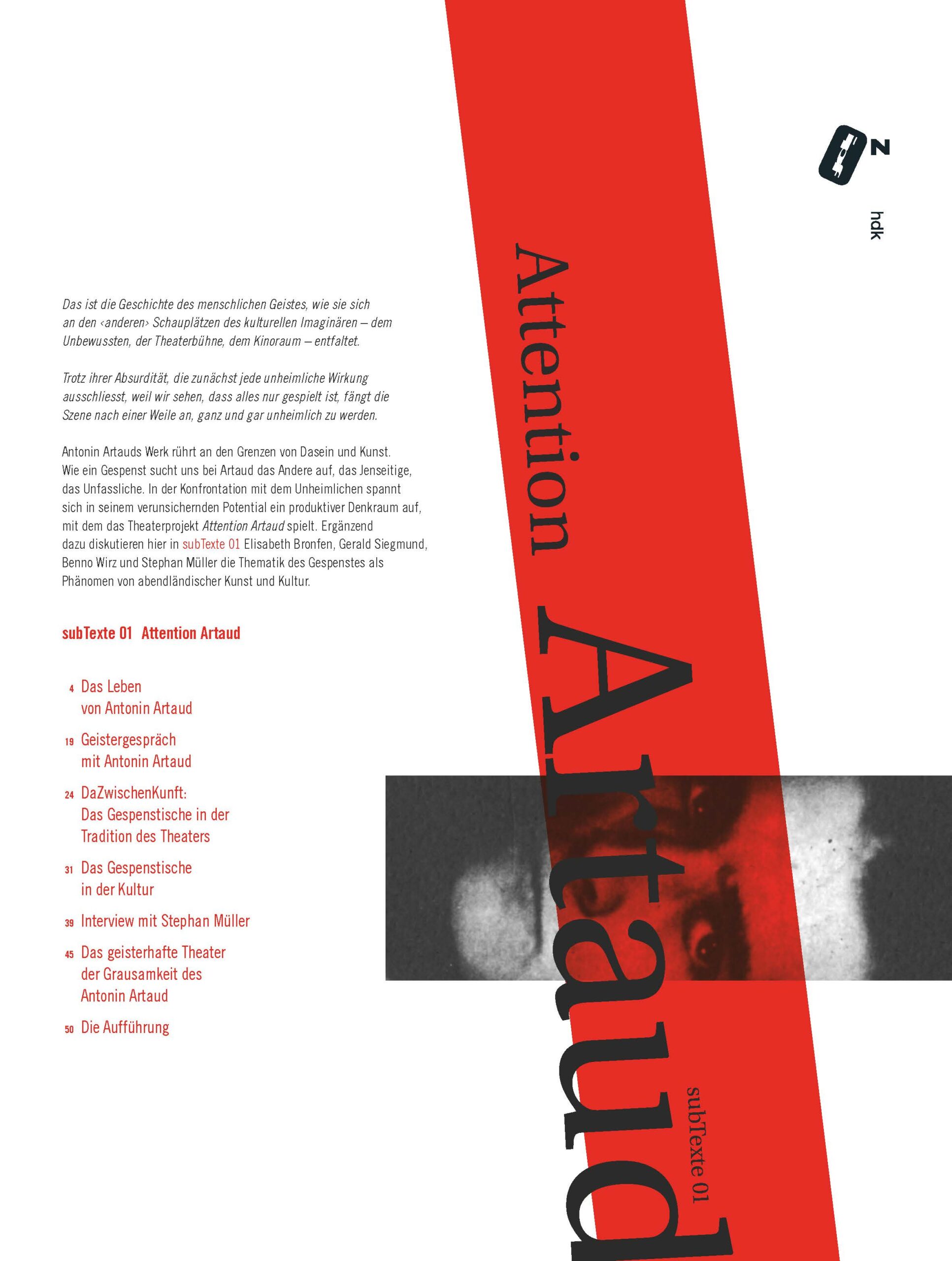
Antonin Artauds Werk rührt an den Grenzen von Dasein und Kunst. Wie ein Gespenst sucht uns bei Artaud das Andere auf, das Jenseitige, das Unfassliche. In der Konfrontation mit dem Unheimlichen spannt sich in seinem verunsichernden Potential ein produktiver Denkraum auf, mit dem das Theaterprojekt Attention Artaud spielt. Ergänzend dazu diskutieren in subTexte 01 Elisabeth Bronfen, Stephan Müller, Gerald Siegmund und Benno Wirz die Thematik des Gespenstes als Phänomen von abendländischer Kunst und Kultur.
Im Rahmen des Forschungsprojekts «Attention Artaud» und der gleichnamigen Inszenierung erschien im Juni 2008 die erste Ausgabe der IPF-Publikationsreihe subTexte.
Antonin Artauds Werk rührt an den Grenzen von Dasein und Kunst. Wie ein Gespenst sucht uns bei Artaud das Andere auf, das Jenseitige, das Unfassliche. In der Konfrontation mit dem Unheimlichen spannt sich in seinem verunsichernden Potential ein produktiver Denkraum auf, mit dem das Theaterprojekt Attention Artaud spielt. Ergänzend dazu diskutieren in subTexte 01 Elisabeth Bronfen, Stephan Müller, Gerald Siegmund und Benno Wirz die Thematik des Gespenstes als Phänomen von abendländischer Kunst und Kultur.
Herausgegeben von Anton Rey, Stefan Schöbi und Benno Wirz. Mit Beiträgen von Elisabeth Bronfen, Stephan Müller, Gerald Siegmund und Benno Wirz.
ZHdK: Institute for the Performing Arts and Film (IPF)
Attention Artaud | Anton Rey, Stefan Schöbi, Benno Wirz (Hg.) [E-Book PDF]
Antonin Artauds Werk rührt an den Grenzen von Dasein und Kunst. Wie ein Gespenst sucht uns bei Artaud das Andere auf, das Jenseitige, das Unfassliche. In der Konfrontation mit dem Unheimlichen spannt sich in seinem verunsichernden Potential ein produktiver Denkraum auf, mit dem das Theaterprojekt Attention Artaud spielt. Ergänzend dazu diskutieren in subTexte 01 Elisabeth Bronfen, Stephan Müller, Gerald Siegmund und Benno Wirz die Thematik des Gespenstes als Phänomen von abendländischer Kunst und Kultur.
In ihrer autobiographischen Erzählung beschreibt Fumi Masuda, wie sie als junge Tänzerin Anfang der 1970er-Jahre eine Reise von Yokohama über Moskau und Wien nach Bochum antritt, um sich im zeitgenössischen Modern Dance weiterzubilden. Ihre Reise führt sie bald nach Zürich, wo sie seither lebt. Fumi Matsuda erzählt von ihren ersten Jahren in Europa, der Zürcher Frauenbewegung und ihren Anfängen als Gelegenheitsarbeiterin, dem Leben als alleinerziehende Mutter und ihrer Entwicklung zur Tänzerin, Tanzlehrerin, Choreographin und später zur Professorin für Bewegung an der Zürcher Hochschule der Künste. Dabei ist ein aussergewöhnliches Zeitporträt des Schweizer Kulturlebens entstanden. Die Tänzerin beeindruckt mit einem Text, der Zeugnis von einer lebenslangen Passion ablegt. Redaktion: Anton Rey
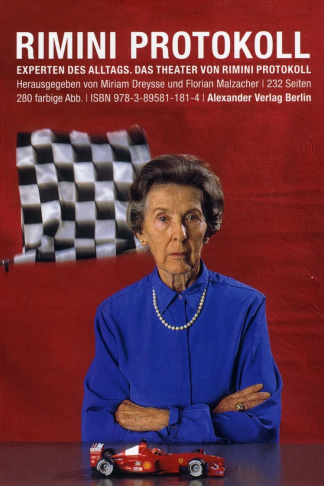
Experten des Alltags. Das Theater von Rimini Protokoll | Miriam Dreysse, Florian Malzacher (Hg.)
CHF 32.50
Alte Damen, Teenager, arbeitslose Fluglotsen, gescheiterte Bürgermeisterkandidaten, Vietnamsoldaten, Trauerredner, bulgarische Fernfahrer, indische Call-Center-Mitarbeiter – immer stehen «echte Menschen» im Mittelpunkt der Regiearbeit von Rimini Protokoll: Sie sind das Markenzeichen der dokumentarischen Inszenierungen von Helgard Haug, Stefan Kaegi und Daniel Wetzel, Experten ihres eigenen Alltags. Selten findet die Auseinandersetzung mit Realität und Fiktion so konsequent und zugleich einfühlsam und spielerisch statt wie im Theater von Rimini Protokoll. Mit diesem Band werden erstmals Bühnenproduktionen ebenso wie ortsspezifische Arbeiten, Audiotouren und Hörspiele des erfolgreichen Regietrios durch Journalisten, Wissenschaftler und Künstler dargestellt und reflektiert. Mit zahlreichen farbigen Fotografien und einem vollständigen Werkverzeichnis.
232 Seiten, Alexander Verlag, 2007
ISBN 978-3-89581-181-4
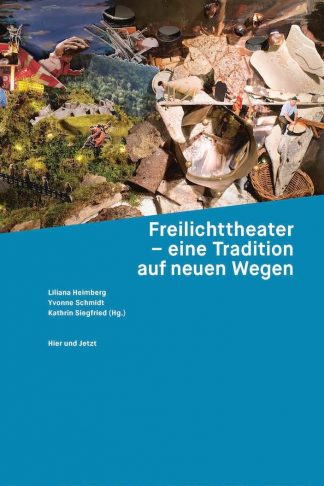
Freilichttheater – eine Tradition auf neuen Wegen | Liliana Heimberg, Yvonne Schmidt, Kathrin Siegfried (Hg.)
CHF 29.00
Jeden Sommer beteiligen sich Tausende von Menschen am Abenteuer «Freilichttheater» und setzen dafür ihre Freizeit ein. Was geschieht, wenn ein professionelles Theaterteam auf einen Ort und seine Bewohner trifft, um ein gemeinsames Theaterprojekt zu entwickeln? Das Freilichttheater setzt auf neue Verfahren, wie dieses Buch dokumentiert: Es teilt die Autorschaft der Inszenierung im künstlerischen Team, mit den Darstellenden, mit der Bevölkerung, mit dem Raum. Es greift lebendige Traditionen auf und bewahrt sie durch Wandel.
Lebendige Traditionen der Schweiz Band 3 / subTexte 11
264 Seiten, hier + jetzt, 2015
ISBN 978-3-0-3919364-6

![Attention Artaud | Anton Rey, Stefan Schöbi, Benno Wirz (Hg.) [E-Book PDF]](https://publikationen.zhdk.ch/wp-content/uploads/2020/03/subTexte_01_Attention_Artaud-324x486.jpg)