Untooling is a speculative and open-ended set of questions and reflections that emerged out of an engagement with the conditions and processes of translocal artistic research.
Working on projects in different contexts, sensitive environments and assemblies we tried to trace, activate and negotiate translocal entanglements, our own positionalities and some of the constellations and pitfalls we encountered. The resulting set of questions has no particular order and does not propose any solutions. Instead the questions advocate slowing down, taking time, and allowing situations to become more complex, in turn encouraging us to become more responsive and responsible as researchers, artists, and fellow beings.
Publiziert als Teil des Forschungsprojekts Ästhetik des Translokalen unterstützt vom SNF.
Untooling is a speculative and open-ended set of questions and reflections that emerged out of an engagement with the conditions and processes of translocal artistic research.
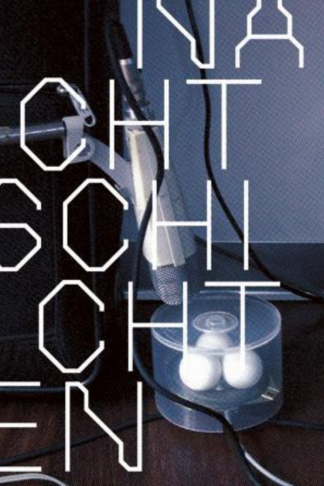
Im Zentrum der Publikation Nachtschichten stehen elf Audiokunstwerke, die im Rahmen des Forschungsprojekts NOW II an der Zürcher Hochschule der Künste von elf Künstlerinnen und Künstlern entwickelt und 2006 von Radio LoRa in Zürich ausgestrahlt wurden. Die Beiträge erkunden neue Methoden und Techniken, um mit extrem langen Werk- und Sendedauern künstlerisch operieren zu können. Die drei CDs enthalten repräsentative Ausschnitte der Radioarbeiten. (dt./engl.)
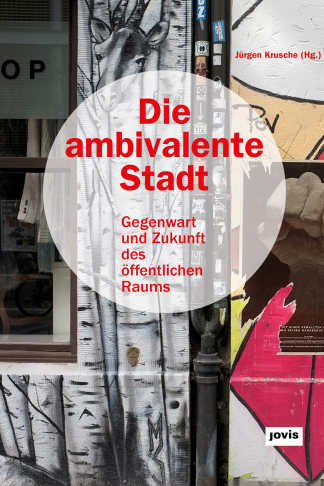
In welchen Städten möchten wir heute und in Zukunft leben? Wie verändern die Angst vor Terror und die großen Migrationsbewegungen, aber auch soziale Unterschiede unsere öffentlichen Räume? Welche Akteure sind an den komplexen Transformationen beteiligt? Die ambivalente Stadt setzt sich mit der zunehmenden Fragmentierung unserer Städte als Reaktion auf den wachsenden politischen, ökonomischen und sozialen Druck auseinander. Im Fokus steht die immer stärker werdende Forderung nach Sicherheit und Überwachung und das damit einhergehende Schwinden frei zugänglicher öffentlicher Räume, sozialer Durchmischung und kommunaler Teilhabe. Ergänzend dazu werden partizipative und selbst verwaltete Bewegungen vorgestellt, die sich diesen verschließenden Tendenzen entgegenstellen, sowie die Rolle der Fotografie in der Stadtforschung näher beleuchtet. Das Buch plädiert – auch in scheinbar unsicheren Zeiten – für gesellschaftliche Vielfalt und eine neue Relevanz des Konzepts der Offenen Stadt.
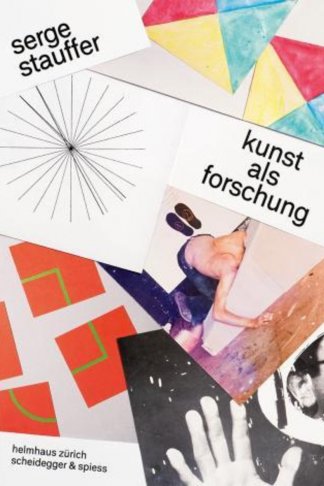
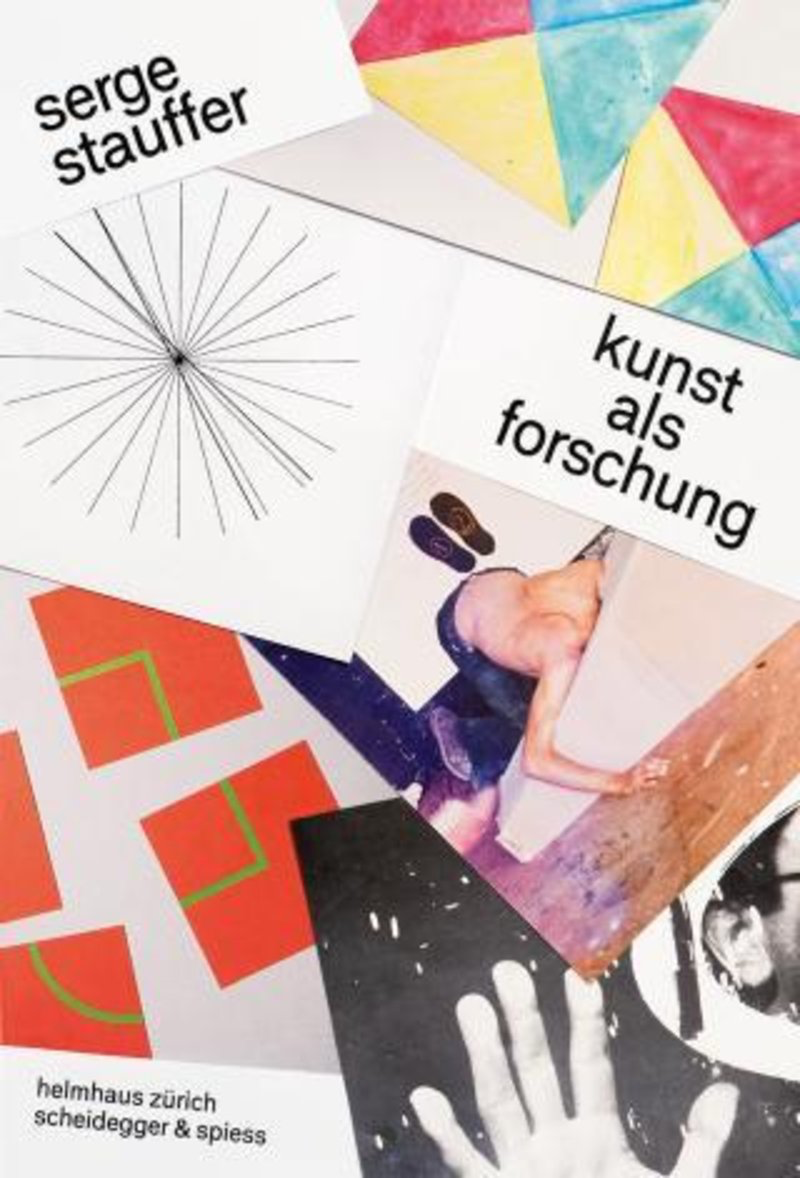
Serge Stauffer – Kunst als Forschung | Michael Hiltbrunner, Helmhaus Zürich (Hg.)
CHF 49.00
Essays, Gespräche, Übersetzungen, Studien
Dieses Buch leistet die erste Aufarbeitung von Werk und Nachlass des bedeutenden Schweizer Künstlers, Kunstvermittlers und Duchamp-Spezialisten Serge Stauffer (1929-1989). Stauffer, der gleichzeitig als Theoretiker, Performer, Autor, Übersetzer und Archivar amtete, war ein visionärer Akteur. Sein Werk zeugt von Humor und Ernsthaftigkeit, von Genauigkeit und Grenzen sprengendem Weitblick. Dazu stand er mit Marcel Duchamp in Kontakt, über den er auch forschte und mehrfach publizierte, und er pflegte mit André Thomkins eine lebenslange Freundschaft.
![Untooling | Ines Kleesattel, knowbotiq (Christian Hübler, Yvonne Wilhelm), Uriel Orlow (Hg.) [PDF]](https://publikationen.zhdk.ch/wp-content/uploads/2022/02/Untooling-scaled.jpg)