Ordo ab chao – ‹Ordnung aus Chaos›: diese dem Freimaurertum entstammende geheime Losung wandelt sich in den Regimen der Second Order Cybernetics zur Formel ‹Order from Noise‹. Der Text verfolgt die theoretischen Inventare der Kybernetik von Kanälen, Informationen und zyklischen Kausalitäten bis zu rekursiven Systemen, um aus ihnen Leben, Bewusstsein, Lernprozesse oder die Konstitution des Sozialen gleichermassen erklärbar zu machen. Auch wenn der Anspruch der Kybernetik als universales Paradigma heute verblasst ist, erscheint an ihr immer noch massgeblich, dass sie die Entstehung von Ordnung aus den immergleichen mathematischen Modellen darzustellen sucht und eine Art ‹Ontologie des Mathematischen› verficht. Was aber heisst es, wenn derart die Mathematik allein die Systeme der Gouvernementalität zu übernehmen scheint und nicht nur die Technik und ihre Apparate, sondern auch die Freiheit, das Utopische sowie die Politizität des Politischen überhaupt zu kontrollieren und zu steuern beginnt?
Künstlerische Forschung. Ein Handbuch | Jens Badura, Selma Dubach et al. (Hg.) [E-Book PDF]
Die Debatte um »Künstlerische Forschung« hat einen hohen Grad an Differenzierung erreicht, sei es in ihrer allgemeinen, theorieorientierten Dimension, sei es auf der Ebene der Praxis des künstlerischen Forschens selbst. Alles deutet darauf hin, dass sich die Künstlerische Forschung an der Schwelle zu einer Institutionalisierung befindet. Ziel des Bandes ist es nicht nur, eine Bestandsaufnahme der unterschiedlichen Frage- und Themenstellungen zu erstellen, sondern auch jene Kontroversen abzubilden, aufgrund derer man den Prozess einer vorschnellen »Disziplinierung« der künstlerischen Forschung kritisch betrachten mag. Entlang einiger Leitfragen entwirft der Band eine Topographie des gesamten Feldes der Debatte um künstlerische Forschung.
344 Seiten (PDF), Diaphanes, 2015
ISBN 978-3-03734-880-2
In einer Zeit, in der Aktivität und Leistung alles bedeuten, da power naps und polyphasischer Schlaf die Nachtruhe optimieren sollen, Klartraumtechniken Ressourcen zur Verbesserung körperlicher und geistiger Effizienz kolonisieren, lässt sich – so scheint es – für die Müdigkeit kaum noch argumentieren. Das Sensorium für ihre Fülle ist durch all den Optimierungsdruck verkümmert. Der Imperativ des 24/7 hat es anästhesiert. Dabei geht es heute, so der Ansatz des vorliegenden Buches, mehr denn je darum, ihre besondere Aisthetik wiederzuentdecken, den Sinn für die ihr eigenen Zwischenzustände des Ungeformten und Nichtkategorisierbaren zu wecken.
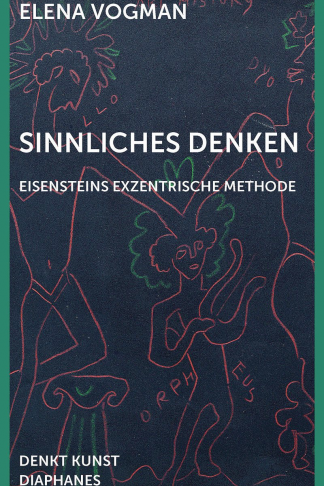
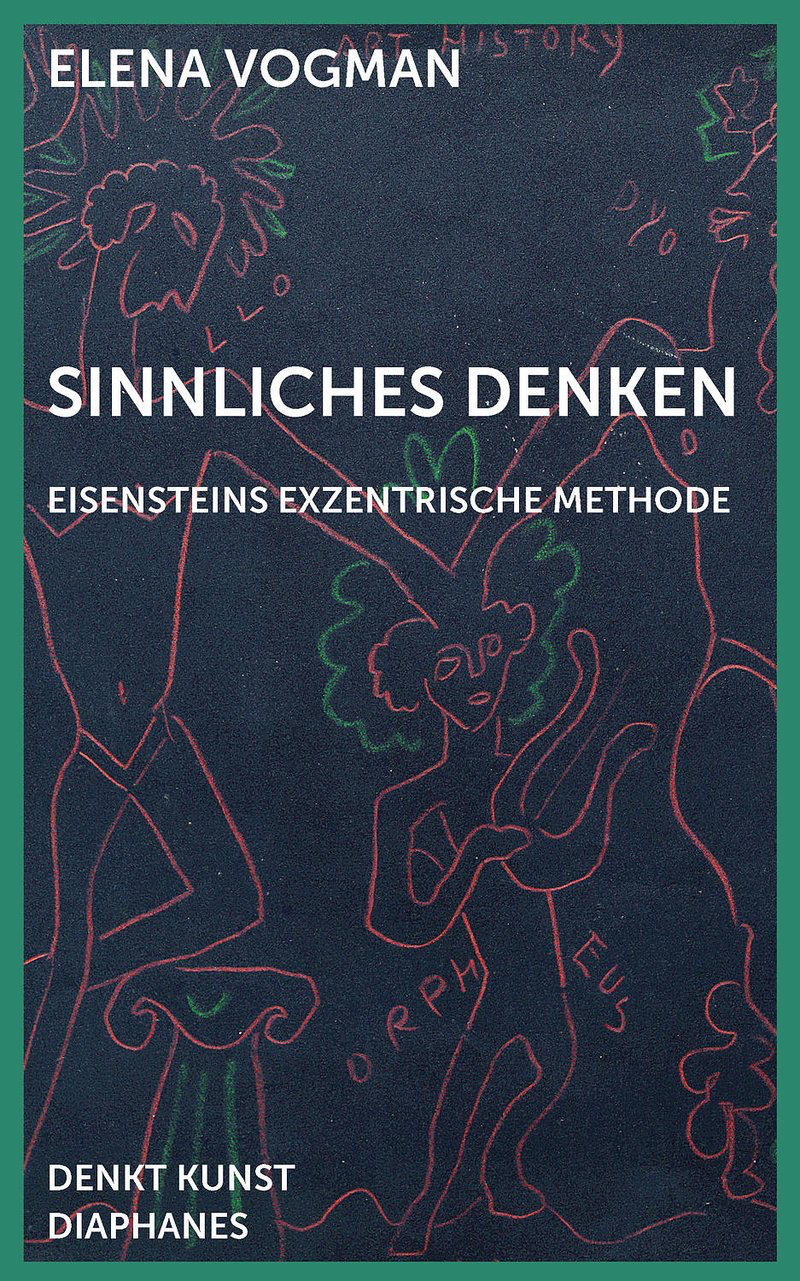
Sinnliches Denken. Eisensteins exzentrische Methode | Elena Vogman
CHF 45.00
Sergej Eisensteins Bildtheorie und Filmpraxis sind aufs Engste miteinander verbunden. Aus beidem entwickelte er ein Theoriewerk: ein immer wieder neu montiertes work in progress, dessen epistemische Obsession im physiologischen Denkpotential des Kinos selbst gründete. Auf der Suche nach den Ursprüngen eines solchen »sinnlichen Denkens« des Kinos legte Eisenstein die Kulturgeschichte neu aus. 1929 plante der Regisseur ein »Buch in Form einer Kugel«.