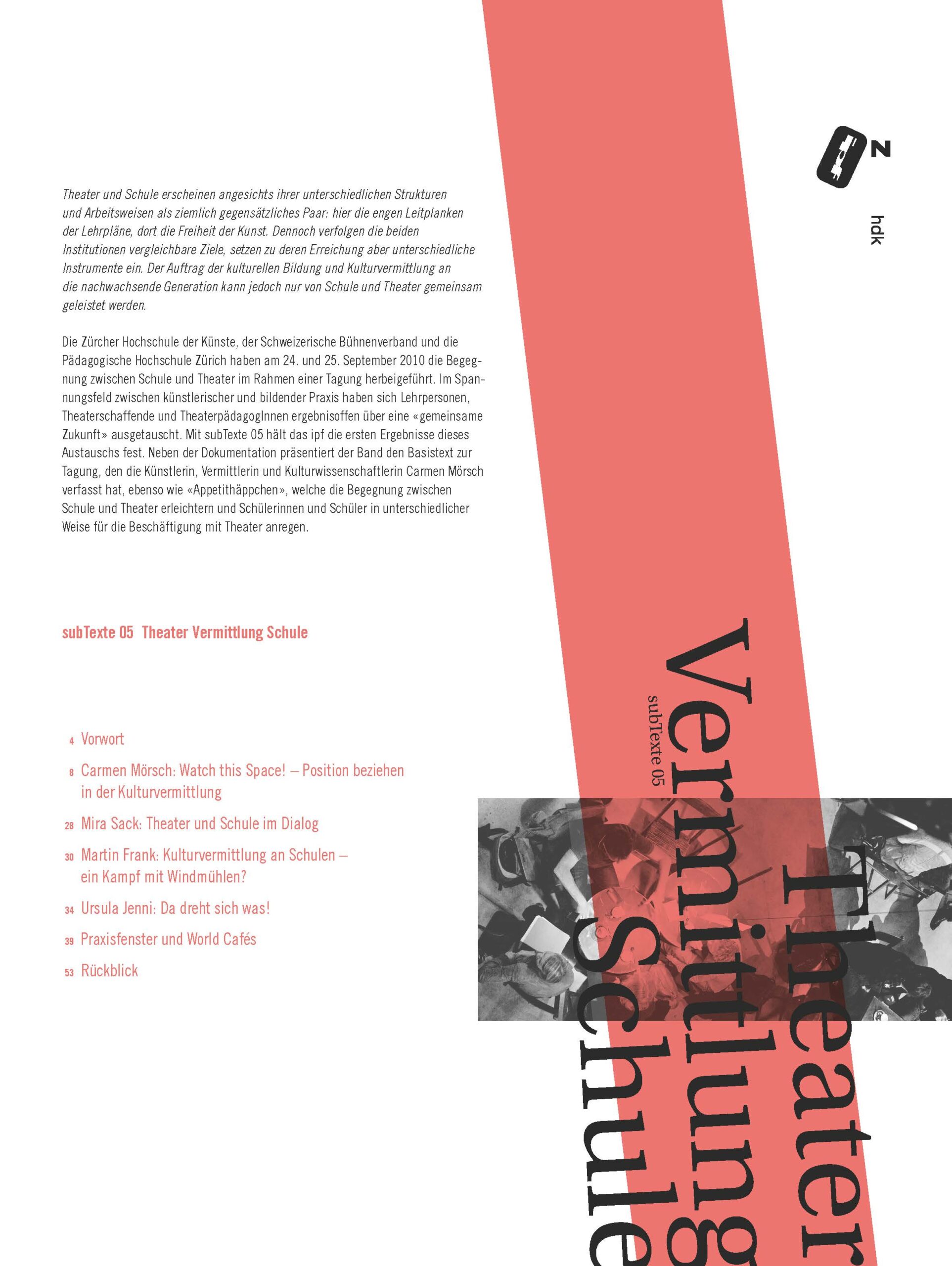
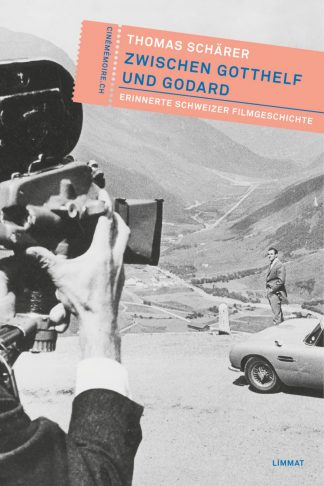
Dieses Buch verleiht über vierzig Schweizer Filmschaffenden eine Stimme. Ihre Erfahrungen im Übergang vom «Schweizer» zum «neuen» Film in der Schweiz verdichten sich zu einer facettenreichen Gesamtschau der Kinolandschaft in der sich rasch wandelnden Gesellschaft der 60er- und 70er-Jahre. Zu Wort kommen nicht nur Regisseure, sondern auch Cutter, Beleuchter, Skript, Labormitarbeiter, Schauspielerinnen, Schauspieler und Produzenten. Und auch Verleiher, Filmkritiker und Kinobesitzer schildern ihren damaligen Alltag, ihre Sorgen, Hoffnungen und Ziele.
704 Seiten, DVD, Limmat Verlag, 2014
ISBN 978-3-85791-653-3
Zu Wort kommen nicht nur Regisseure, sondern auch Cutter, Beleuchter, Skript, Labormitarbeiter, Schauspielerinnen, Schauspieler und Produzenten. Und auch Verleiher, Filmkritiker und Kinobesitzer schildern ihren damaligen Alltag, ihre Sorgen, Hoffnungen und Ziele. Das Buch zeichnet über die Filmlandschaft hinaus die politisch-kulturelle Atmosphäre der 60er- und 70er-Jahre nach und bietet auch Kennern viele neue Informationen. Unzählige unedierte Quellen und Fotos bereichern und kontrastieren die individuellen Erinnerungen. Die beiliegende DVD mit vier thematischen Filmen macht diese mündliche Geschichte hör- und sehbar.
ZHdK: Institute for the Performing Arts and Film (IPF)
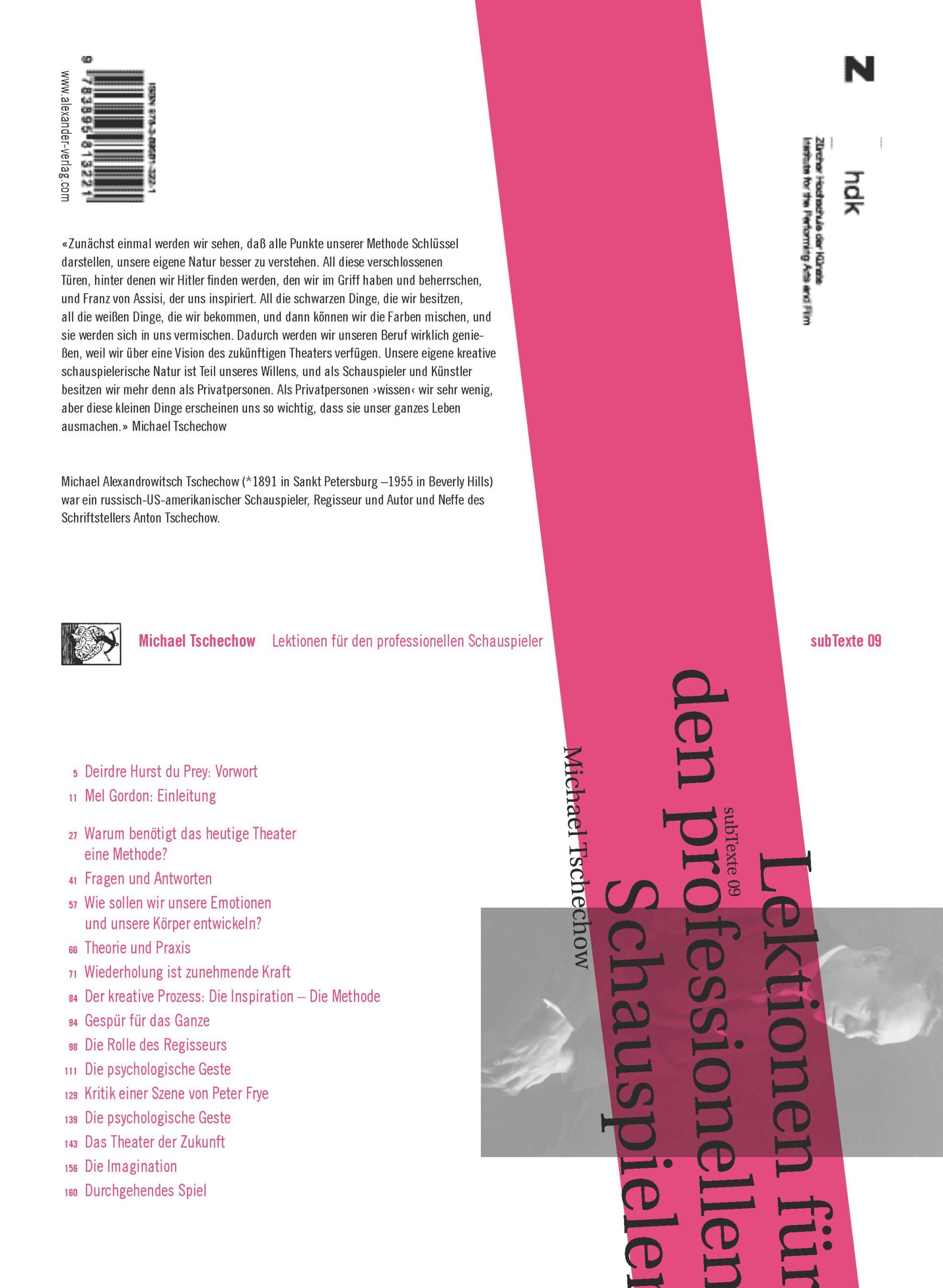
Lektionen für den professionellen Schauspieler | Michael Tschechow
Nach Notizen transkribiert und zusammengestellt von Deirdre Hurst du Prey.
Michael Tschechows anregende Lektionen bieten einen Einstieg in seine Methoden und Techniken zur Erschließung des imaginativen Potenzials des Schauspielers. Der 1985 in New York veröffentlichte Text erscheint hier erstmals auf Deutsch, übersetzt von Michael Raab.
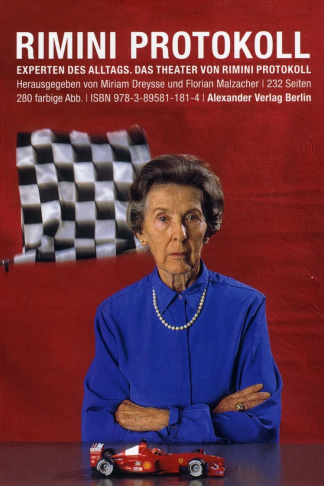
Experten des Alltags. Das Theater von Rimini Protokoll | Miriam Dreysse, Florian Malzacher (Hg.)
CHF 32.50
Alte Damen, Teenager, arbeitslose Fluglotsen, gescheiterte Bürgermeisterkandidaten, Vietnamsoldaten, Trauerredner, bulgarische Fernfahrer, indische Call-Center-Mitarbeiter – immer stehen «echte Menschen» im Mittelpunkt der Regiearbeit von Rimini Protokoll: Sie sind das Markenzeichen der dokumentarischen Inszenierungen von Helgard Haug, Stefan Kaegi und Daniel Wetzel, Experten ihres eigenen Alltags. Selten findet die Auseinandersetzung mit Realität und Fiktion so konsequent und zugleich einfühlsam und spielerisch statt wie im Theater von Rimini Protokoll. Mit diesem Band werden erstmals Bühnenproduktionen ebenso wie ortsspezifische Arbeiten, Audiotouren und Hörspiele des erfolgreichen Regietrios durch Journalisten, Wissenschaftler und Künstler dargestellt und reflektiert. Mit zahlreichen farbigen Fotografien und einem vollständigen Werkverzeichnis.
232 Seiten, Alexander Verlag, 2007
ISBN 978-3-89581-181-4
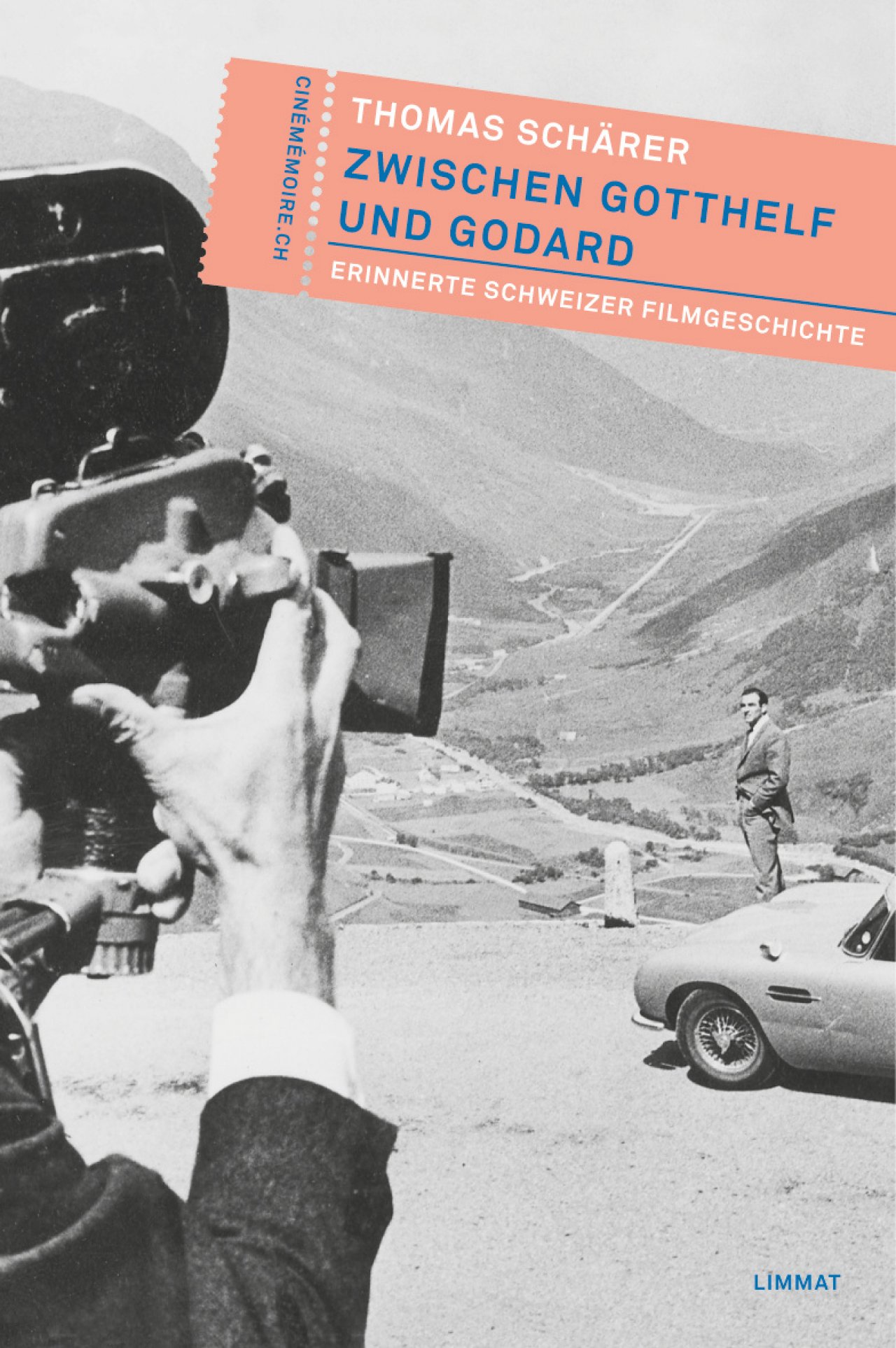
Theater Vermittlung Schule | Mira Sack, Anton Rey, Stefan Schöbi (Hg.) [E-Book PDF]
Theater und Schule erschienen angesichts ihrer unterschiedlichen Strukturen und Arbeitsweisen als ziemlich gegensätzliches Paar: hier die engen Leitplanken der Lehrpläne, dort die Freiheit der Kunst. Dennoch verfolgen die beiden Institutionen vergleichbare Ziele, setzen zu deren Erreichung aber unterschiedliche Instrumente ein. Der Auftrag der kulturellen Bildung und Kulturvermittlung an die nachwachsende Generation kann jedoch nur von Schule und Theater gemeinsam geleistet werden.


![Theater Vermittlung Schule | Mira Sack, Anton Rey, Stefan Schöbi (Hg.) [E-Book PDF]](https://publikationen.zhdk.ch/wp-content/uploads/2019/05/subTexte_05_Theater_Vermittlung-324x486.jpg)