Beschreibung
ZHdK: Institut für Theorie (ITH)
![Bild. Ein interdisziplinäres Handbuch | Stephan Günzel, Dieter Mersch (Hg.) [E-Book PDF]](https://publikationen.zhdk.ch/wp-content/uploads/2019/05/image-22.png)
Vom Tafelbild über den Film bis zum 3D-Bild. Bilder überfluten uns in allen Bereichen der Gesellschaft, der Umgang mit digitalen Bildern wird immer wichtiger. Seit dem Pictorial oder Iconic Turn haben sich auch die Kulturwissenschaften des Themas angenommen und eine Wissenschaft vom Bild und der Bildwahrnehmung begründet. Das Handbuch gibt erstmals einen umfassenden Überblick, erläutert Grundlagen wie Semiotik, Phänomenologie und Ikonologie, analysiert verschiedene Einzelmedien und sich anschließende Bilddiskurse. Ein abschließender Teil beleuchtet die Bildtheorien verschiedener Disziplinen, und wie sich diese als Bildwissenschaft verstehen.
484 Seiten (PDF), Metzler, 2014
ISBN 978-3-476-05301-5
ZHdK: Institut für Theorie (ITH)

Vom Tafelbild über den Film bis zum 3D-Bild. Bilder überfluten uns in allen Bereichen der Gesellschaft, der Umgang mit digitalen Bildern wird immer wichtiger. Seit dem Pictorial oder Iconic Turn haben sich auch die Kulturwissenschaften des Themas angenommen und eine Wissenschaft vom Bild und der Bildwahrnehmung begründet. Das Handbuch gibt erstmals einen umfassenden Überblick, erläutert Grundlagen wie Semiotik, Phänomenologie und Ikonologie, analysiert verschiedene Einzelmedien und sich anschließende Bilddiskurse. Ein abschließender Teil beleuchtet die Bildtheorien verschiedener Disziplinen, und wie sich diese als Bildwissenschaft verstehen.
484 Seiten, Metzler, 2014
ISBN 978-3-476-02416-9
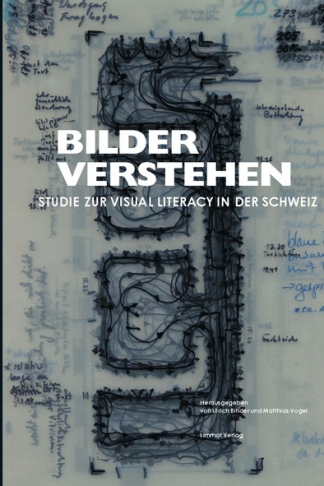
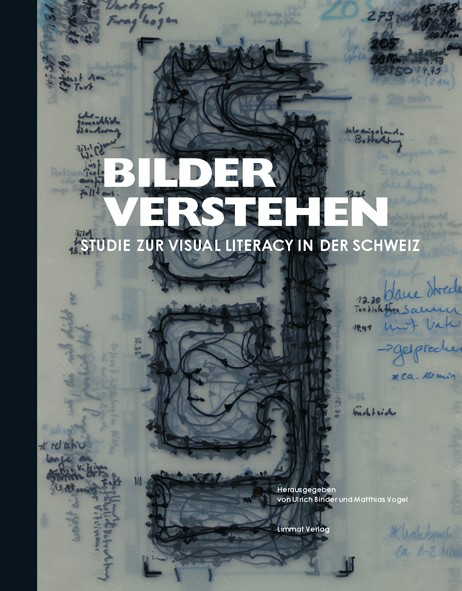
Studie zur Visual Literacy in der Schweiz
Dokumentation eines Forschungsprojektes zur Rezeption von Fotografien in Ausstellungen. Was erleben andere in einer Ausstellung, wie nehmen sie Bilder wahr? Das Erlebnis einer Ausstellung ist nach wie vor etwas wunderbar Intimes. Selbst wenn wir zu zweit durch die lichtgedämmten Räume spazieren, da und dort Halt machen vor einer grossformatigen Fotografie, so tauschen wir uns höchstens im Flüsterton aus und ringen auch da um Worte, den richtigen Ausdruck einer Empfindung. Insofern ist es nicht überraschend, dass die Forscher, die sich eben dieses Ausstellungserlebnis zum Gegenstand machten, in wenig ergründetes Terrain vorstiessen. Sie taten dies gemäss ihrer Herkunft aus Medienpsychologie, Bildwissenschaft und Kunst mit unterschiedlichen, zum Teil unkonventionellen Methoden. In fundierten Analysen verwandeln sie die dokumentierten, sehr heterogenen Erlebnisse in allgemeine Erkenntnisse und machen sie nun in diesem sorgfältig gestalteten Buch einem Publikum zugänglich. Auf mehreren typografischen Ebenen angelegt, von hervorragenden Abbildungen und Grafiken begleitet, gibt es einen Einblick ins Making-of eines Forschungsprojektes.
168 Seiten, Limmat, 2015
ISBN 978-3-85791-779-0
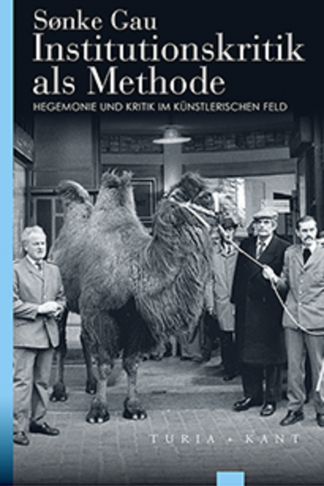
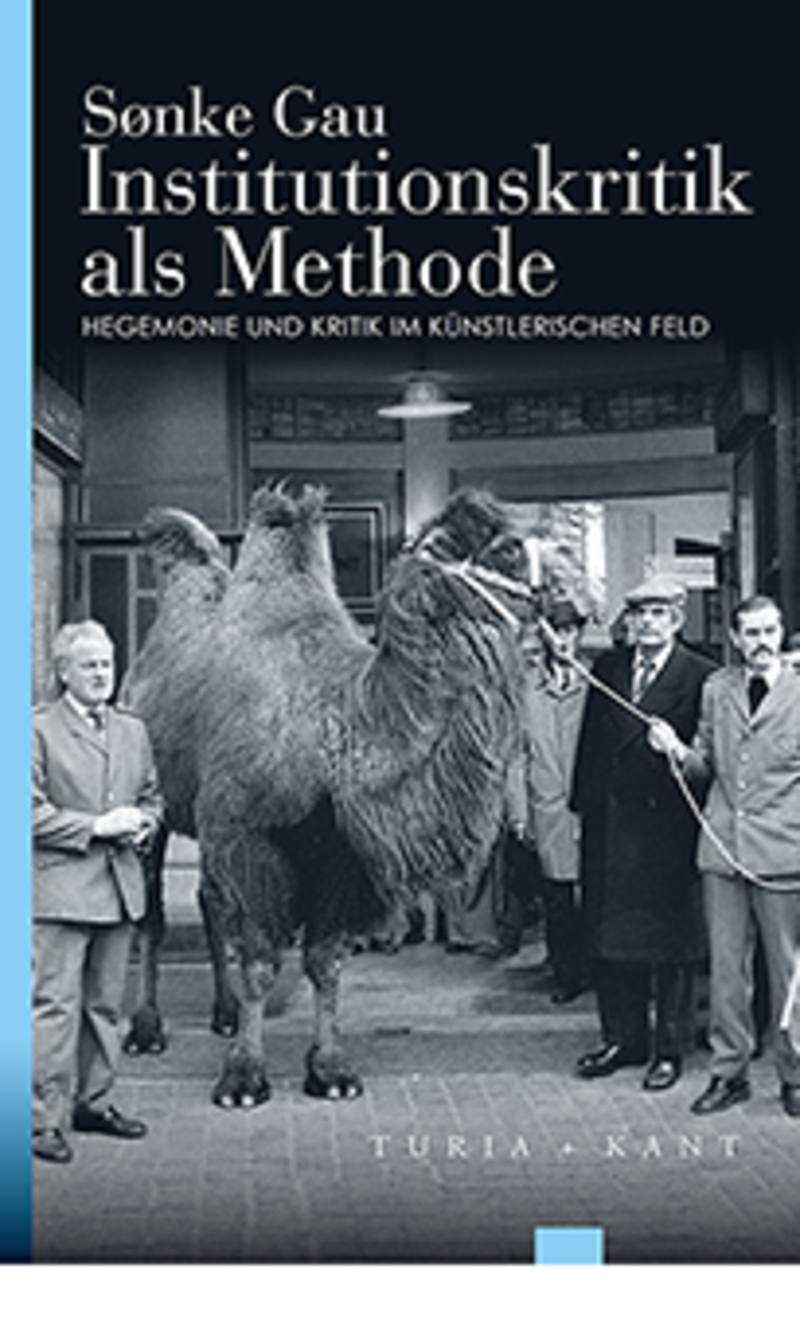
Sønke Gau untersucht in seiner umfassenden Genealogie der Institutionskritik das Potenzial dieser künstlerischen Verfahren und fragt nach deren Aktualisierung unter den heutigen Bedingungen. Institutionskritik als Methode beschränkt sich nicht mehr nur auf das künstlerische Feld, sondern greift auf andere gesellschaftliche Felder über, um so ein erweitertes Spektrum an Handlungsoptionen zu gewinnen.
539 Seiten, Turia + Kant Verlag, 2017
ISBN 978-3-85132-823-3
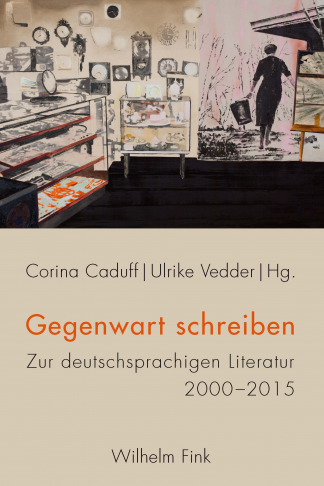

Zur deutschsprachigen Literatur 2000-2015
Welche Themen und Schauplätze werden von deutschsprachigen Schriftstellerinnen und Schriftstellern seit 2000 in Szene gesetzt und diskutiert? Wie korrespondiert die aktuelle Gegenwartsliteratur mit dem Zeitgeschehen und gesellschaftlichen Diskursen? Die 21 Beiträge des Bandes erkunden den literarischen Umgang mit politischen und historischen Krisen, sie befragen interkulturelle Bezüge und analysieren die literarische Gestaltung der neuen Mehrsprachigkeit, wobei insbesondere innovative Schreibverfahren und Autorschaftsmodelle im Fokus stehen. Besprochen werden zudem neue Formen der Literaturvermittlung.
264 Seiten, Fink, 2017
ISBN 978-3-7705-5918-3